
Wonder Town › 6th grade math games
Math games for 6th graders, played as an adventure
Sixth grade is where arithmetic starts turning into algebra: ratios and rates, dividing fractions, negative numbers and the first equations with a letter in them. In Wonder Town those questions come from the villagers of a floating town. Your child picks a hero, explores the streets and answers each one to clear the road to the gate.
First town: no account needed · First 3 towns free · No download
Plays onComputersiPad and tabletsiPhone and Android
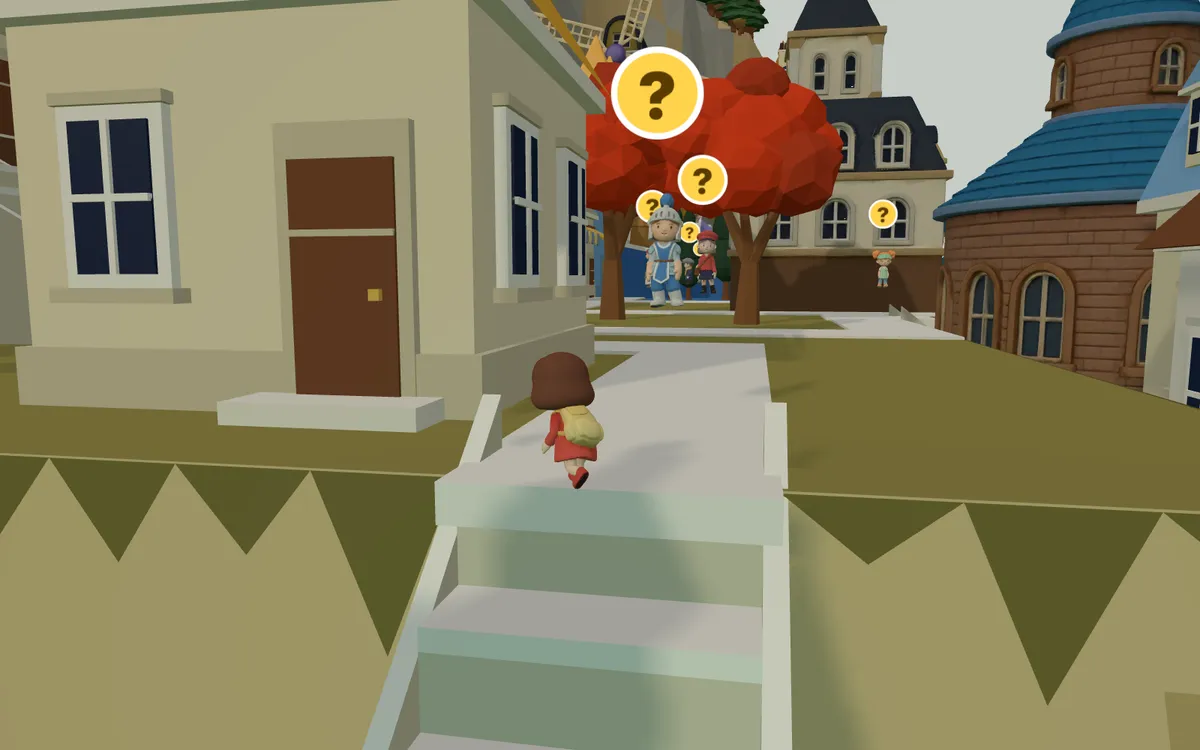
Wonder Town at a glance
- What it is
- A 3D math adventure game for kids from grade 1 through middle school (ages 6–15)
- Free
- The first 3 towns
- Account
- None needed for the first town; a free account for towns 2 and 3
- Passport
- $9.80 a month: all 13 towns, cancel any time
- Own question banks
- With the Passport, from photos of tests and homework
- Towns
- 13, each with its own story; the last one reviews every topic
- Ads and chat
- None
- Plays on
- Computers, iPad and other tablets, iPhone and Android phones, in the browser; no download
What 6th graders practise in the game
Ratios and unit rates
A unit price such as 4 lanterns for $18, then 6 at the same price, and equivalent ratios such as 3 : 5 = 12 : ?.
Percent of a number
What is 30% of 70? And the whole from a part and its percent: 18 is 30% of what number?
Dividing fractions
Fraction by fraction such as 2/3 ÷ 4/5 with keep–change–flip, and how many 3/4-cup servings are in 6 cups.
Multiplying and dividing decimals
Products such as 1.2 × 0.4 and quotients such as 4.8 ÷ 0.6 or 0.36 ÷ 0.04, placing the decimal point.
Common factors and multiples
The greatest common factor of two numbers up to 100, and the least common multiple as two bells that ring together.
Integers and absolute value
The least or greatest of four integers, expressions such as |−12| − |5|, and the distance from 9 m above to 6 m below sea level.
Exponents and expressions
The order of operations with exponents, such as 4 + 3² × 2 or (2 + 5)² − 9, and the value of 3x² + 5 when x = 4.
One-step equations
Equations such as x + 7 = 15, 4x = 36 or x ÷ 3 = 8, solved with the inverse operation.
Triangle and parallelogram area
Triangles (½ × base × height) and parallelograms (base × height), where the slanted side is not the height.
Mean and median
The mean of five numbers, and the median of 5 or 7 numbers that first need putting in order.
Town by town
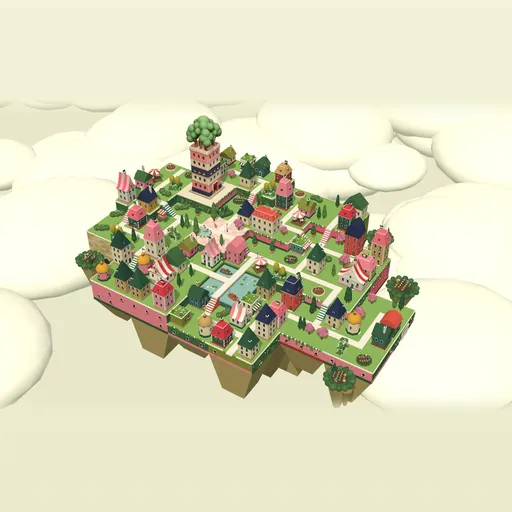
Each of the first twelve towns practises one topic of the 6th grade question bank, in order, and the thirteenth reviews them all. The first town needs no account, a free account opens the first three, and the Passport opens the rest.
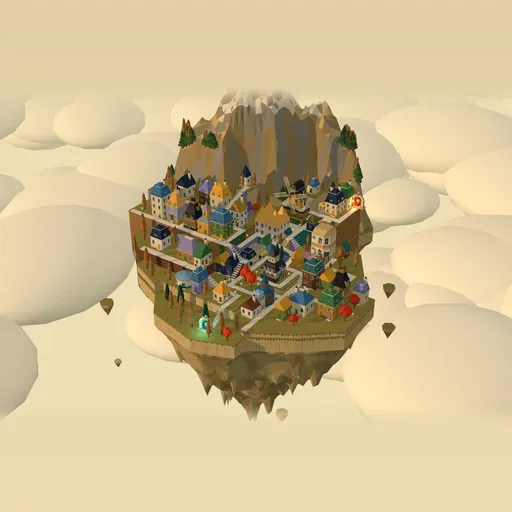 Town 1CloudrestRatios and unit ratesFree · no account needed
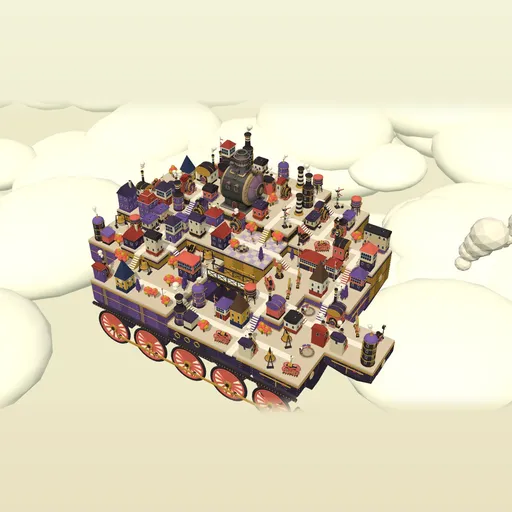 Town 2IronwhistleRatios and unit ratesFree
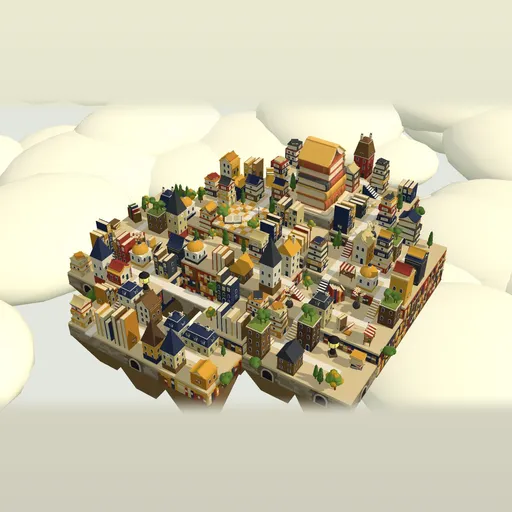 Town 3PagewickPercent of a numberFree
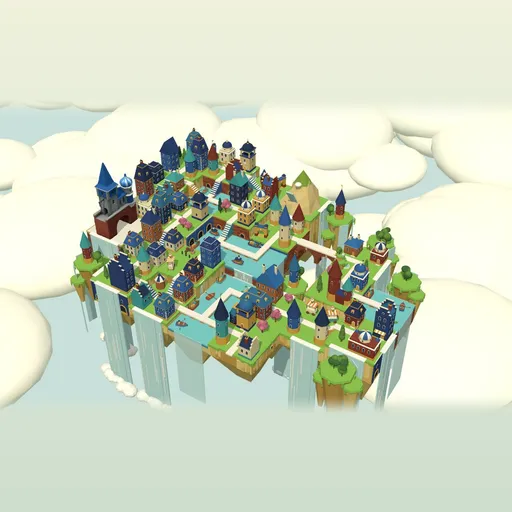 Town 4Blue FallsDividing fractionsPassport
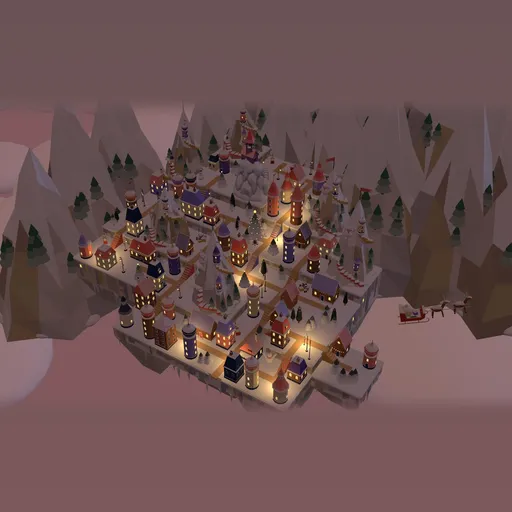 Town 5FrostpeakDividing fractionsPassport
 Town 6StarhavenMultiplying and dividing decimalsPassport
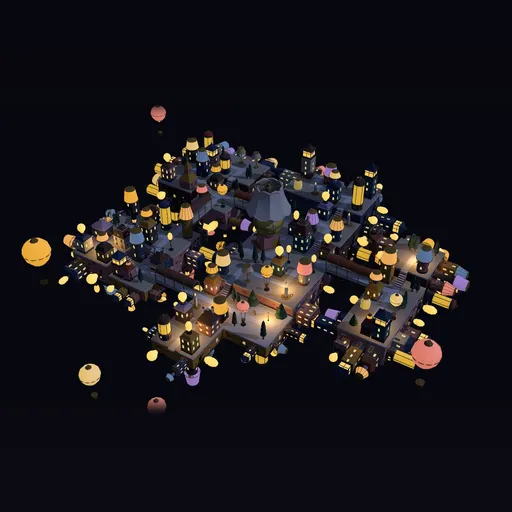 Town 7LumenCommon factors and multiplesPassport
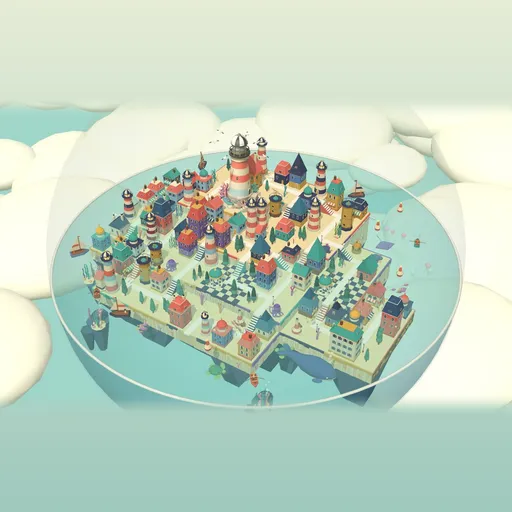 Town 8CoralportIntegers and absolute valuePassport
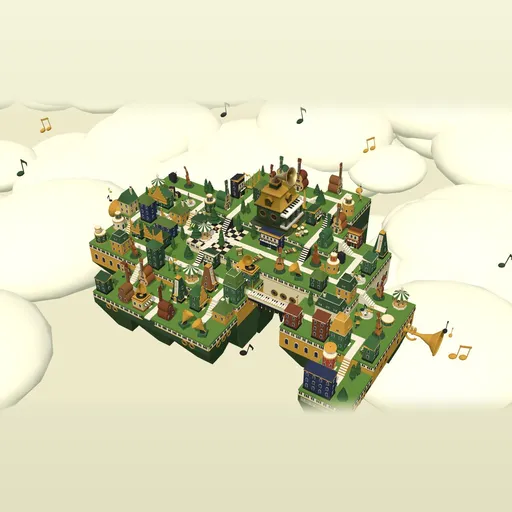 Town 9HarmoniaExponents and expressionsPassport
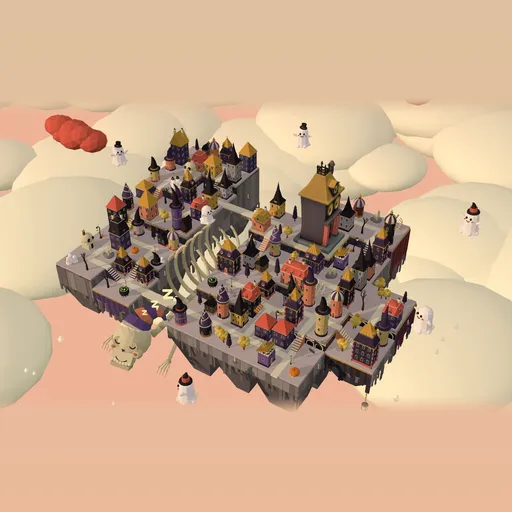 Town 10HollowmereOne-step equationsPassport
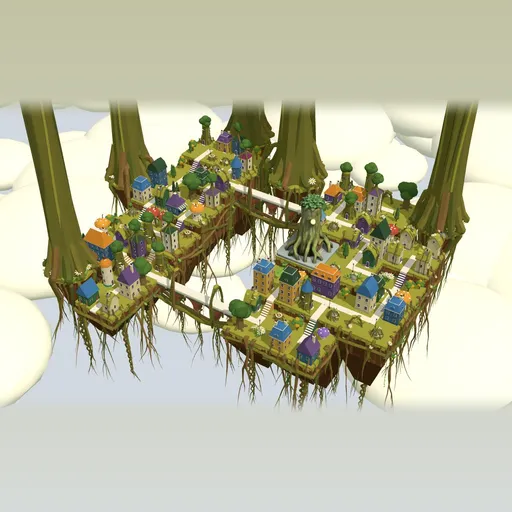 Town 11RootwoodTriangle and parallelogram areaPassport
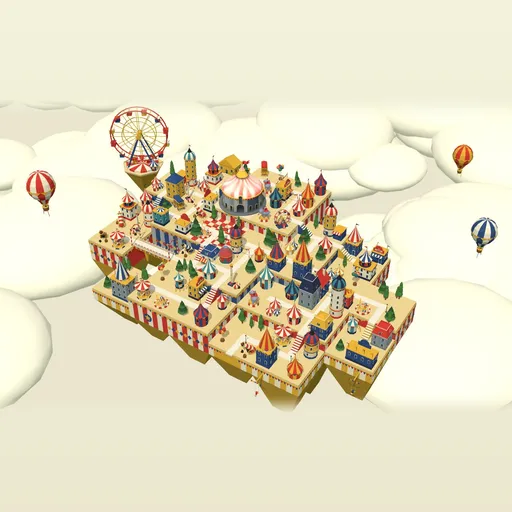 Town 12BigtopMean and medianPassport
 Town 13RosemoorReview of all 10 topicsPassport
Sample questions from the game
These were made by the same generator the game uses, so your child will see questions like them, always with fresh numbers. Every question is multiple choice with four options.
A garden shaped like a parallelogram has a base of 15 m, a slanted side of 9 m and a height of 6 m. What is its area in m²?
- 90
- 135
- 48
- 45
How to think about it: Area of a parallelogram = base × height = 15 × 6 = 90. The slanted side is not the height.
Five villagers picked 15, 10, 12, 8 and 5 apples. What is the mean number of apples?
- 11
- 14
- 12.5
- 10
How to think about it: Add them: 15 + 10 + 12 + 8 + 5 = 50. Divide by how many there are: 50 ÷ 5 = 10.
What is the median of 5, 29, 3, 22, 20?
- 15.8
- 3
- 26
- 20
How to think about it: Put them in order: 3, 5, 20, 22, 29. The middle number is 20.
(5 + 5)² − 3 = ?
- 17
- 97
- 47
- 103
How to think about it: Parentheses first: 5 + 5 = 10. Then the exponent: 10² = 100. Then subtract: 100 − 3 = 97.
4 kites cost $18. At the same price, how much do 9 cost?
- $36
- $40.50
- $23
- $45
How to think about it: Find the unit rate first: $18 ÷ 4 = $4.50 each. Then 9 × $4.50 = $40.50.
6 apples cost $9. At the same price, how much do 7 cost?
- $10.50
- $9
- $12
- $10
How to think about it: Find the unit rate first: $9 ÷ 6 = $1.50 each. Then 7 × $1.50 = $10.50.
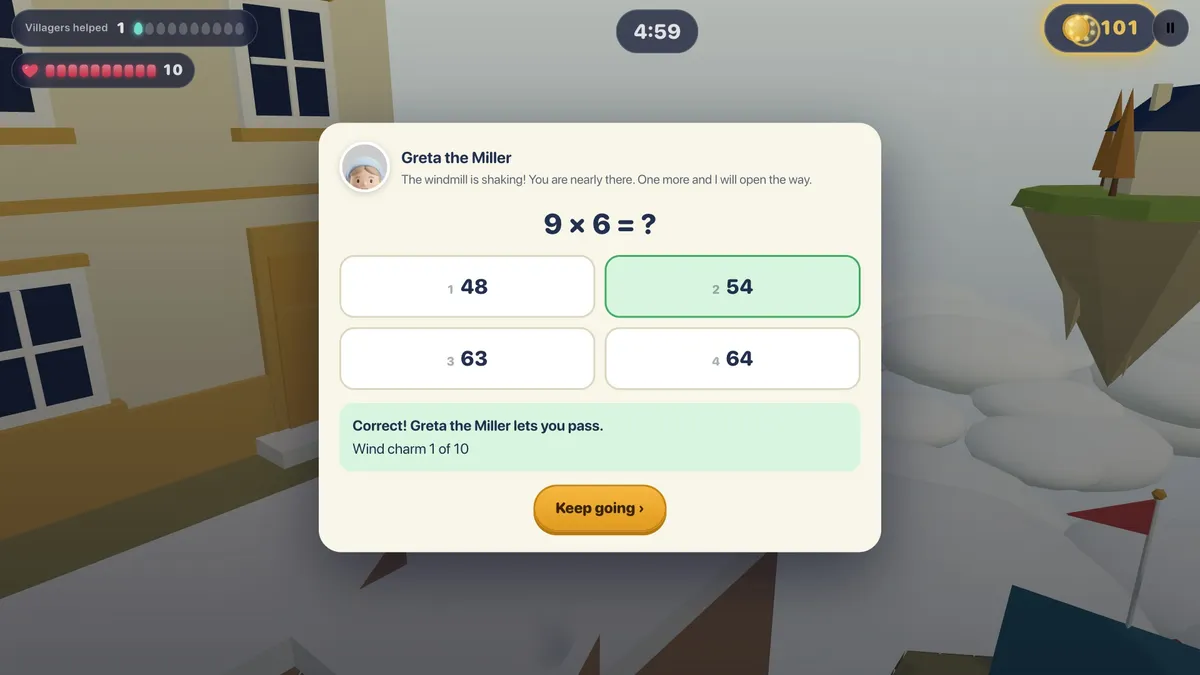
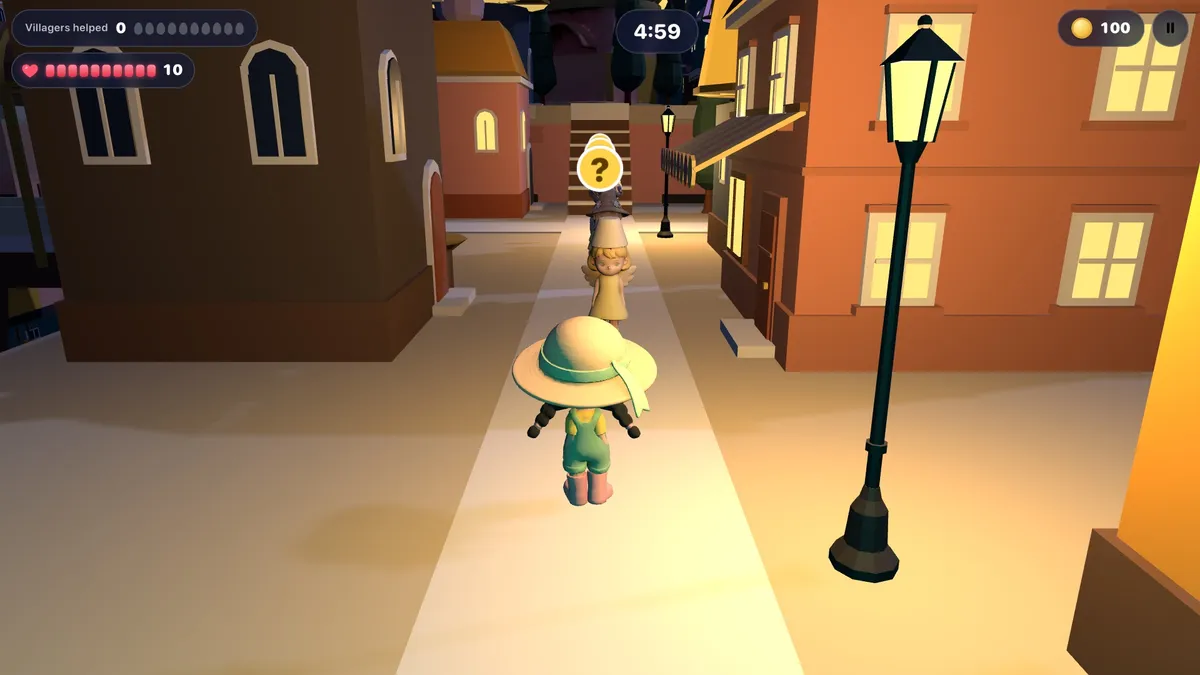
What a round looks like
Why an adventure helps with 6th grade math
Ratios, fractions and negative numbers each take a moment of thought. A villager blocks the road until the question is answered, so a sixth grader works it out instead of skipping it.
The wrong choices are built from the usual slips, such as multiplying without flipping the second fraction or adding the difference in a ratio instead of scaling it, so a guess rarely gets through.
A wrong answer brings a short explanation in the terms of a sixth grade classroom, such as keep–change–flip, the unit rate or inverse operations, followed by a new question of the same kind.
Tips for parents
- Keep scrap paper nearby. Dividing fractions, percents and equations are quicker to work out in a line or two on paper, and the explanation after a mistake is easier to follow next to your child’s own working.
- Start with your child’s own grade. If a question often takes more than about twenty seconds, play a few rounds of the grade below, then come back.
- With a Passport, photos of your child’s own worksheets and tests become a question bank of their own: an AI reads the questions, and the villagers ask the missed ones again until they are known.
Questions about 6th grade math games
Does it cover ratios and dividing fractions?
Yes. Ratios and unit rates come up in towns 1 and 2, percents in town 3, and dividing fractions with keep–change–flip in towns 4 and 5. The last town mixes them with the other seven topics.
What 6th grade math does the game cover?
The 6th grade question bank follows the US Common Core: ratios and unit rates, percent of a number, dividing fractions, multiplying and dividing decimals, common factors and multiples, integers and absolute value, exponents and expressions, one-step equations, triangle and parallelogram area, and mean and median. Each of the first twelve towns practises one topic, in order, and the thirteenth reviews them all.
Is it free?
The first three towns are free. The first town, which practises ratios and unit rates, plays in the browser without an account, and towns 2 and 3 need a free account. The Passport ($9.80 a month) opens all thirteen towns and question banks of your own, made from photos of your child’s tests.
How long does a round take?
Each town gives five minutes on the clock to reach the gate, and the clock stops while a villager’s question is open, so answers are never rushed. Reach the gate in time and the town is saved; lose all ten hearts or run out of time and you try again. Two or three rounds make a good daily session.
What happens after a wrong answer?
The villager shows how to think about the problem in a sentence or two, then asks a new question of the same kind. A wrong answer also costs one of ten hearts.
Can my child play on an iPad or a phone?
Yes. It runs in the browser on computers, iPad and other tablets, and iPhone and Android phones, with nothing to download. Use W A S D or the arrow keys on a keyboard, or the on-screen joystick on a touch screen. There are no ads and no chat.
Further reading
- Turn your child’s worksheets into a math game
- The learning ideas behind Wonder Town
- Math games: questions parents ask
Math games for other grades
1st grade · 2nd grade · 3rd grade · 4th grade · 5th grade · 6th grade · 7th grade · 8th grade