
Wonder Town › Guides › Parent Q&A
Math games: questions parents ask
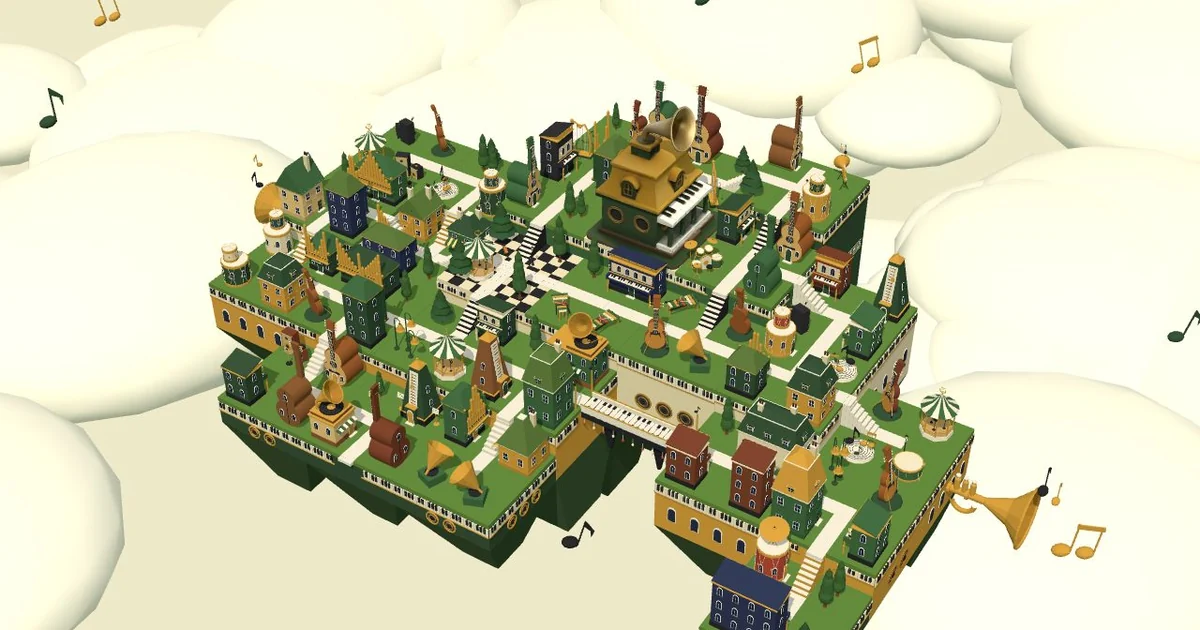
These are the questions parents ask us most about math games in general and Wonder Town in particular, with honest answers, including where a game is not the answer.
Do math games actually help?
They can, when three things are true: the child is answering real questions (not watching or tapping through), gets feedback right after a mistake, and practises a little on many days rather than a lot at once. Those are the conditions under which practice is known to stick; see The learning ideas behind Wonder Town.
A game does not replace teaching. If your child has never been shown long division, a game will not show them; it is for practising what school has introduced, and for spotting what has not landed yet.
How much screen time is fine for a math game?
There is no single right number. Pediatric guidance for school-age children is to set consistent limits and protect sleep, exercise and time together, rather than to hit a specific figure. Practically, short and regular works best for practice anyway. A Wonder Town round is short (each town has a five-minute clock to reach the gate, which pauses while a question is open), so two or three rounds a day make a good routine, and each one ends on its own.
What age is Wonder Town for?
Grades 1 to 5, roughly ages 6 to 11. Most questions are short number sentences with four answer buttons; word problems are one or two sentences, so a first grader who is just learning to read may want an adult to read those aloud at first. Moving around uses W A S D or the arrow keys, or an on-screen joystick on a tablet or phone.
Which grade should I choose?
Start with the grade your child is in at school. If a question often takes more than about twenty seconds, load the grade below for a few rounds, then come back. You can change the question bank any time on the question banks page; coins, characters and saved towns stay as they are.
Banks follow the curriculum of the United States, China, Japan, Singapore or India. Choose the country whose school system your child follows: the order of topics really differs (the times tables start in grade 2 in China and Japan, in grade 3 in the US).
My child is ahead, or behind. Does that work?
Yes. Any grade can be loaded at any time, so a strong second grader can play the 3rd grade towns and a struggling fourth grader can rebuild the 3rd grade multiplication facts first. With a Passport, you can also make a question bank from your child’s own tests, so practice follows exactly where they are.
Should a math game have a timer?
A little time pressure keeps a game moving, but it should never be the point. In Wonder Town each town has a five-minute clock to reach the gate, and it stops while a villager’s question is open: the clock is about pace through the streets, and there is no timer on answering. If your child gets anxious about the clock, play the first rounds together, and remind them that a lost town can be tried again straight away.
Is it safe? What about ads, chat and purchases?
Wonder Town has no ads and no chat: children cannot talk to strangers in it. Anything paid (the Passport or coins) is bought by a parent on a payment page, never inside a round. Signing in uses an email code or a Google account. Photos of tests are used only to read the questions and are deleted automatically within two days. The privacy policy has the details.
Is it free?
You can play the first town without an account. A free account opens the first three towns, with any of the 25 question banks. The Passport ($19.80 a month, cancel any time) opens all thirteen towns and question banks of your own made from photos. See the plans.
Can I use the worksheets my child brings home?
Yes, with a Passport. Photograph a marked test, worksheet or homework page; the AI reads the questions (or only the ones marked wrong) and the villagers ask them, bringing missed ones back by spaced repetition. See Turn your child’s worksheets into a math game.
How do I know it is working?
Look outside the game first: is the same kind of homework problem getting faster, and are the same mistakes still appearing on marked work? Inside the game, a question bank of your own shows, for every question, how often it was answered right and wrong and when it comes back. Questions moving to longer gaps are questions that have stuck.
What if my child gets frustrated?
Frustration usually means the questions are a little too hard right now. Drop down a grade for a few rounds, play one round together and think out loud, or read the explanation after a wrong answer side by side. Ending on a saved town, even an easier one, makes the next session easier to start.
Does it need an app or a download?
No. Wonder Town runs in a modern browser on a computer, tablet or phone, so there is nothing to install. It needs an internet connection.
Play the first town free · Math games for 3rd graders · All guides
More guides
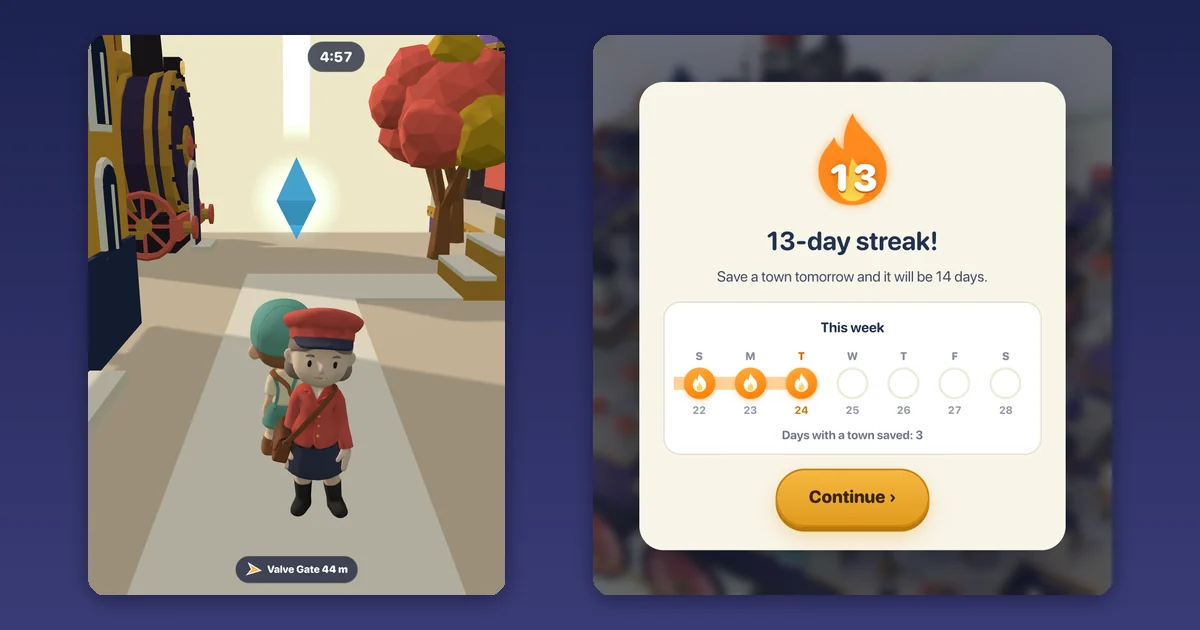 How-to guidesDaily streak and freeze gems: save a town every daySave any town in Wonder Town on a day and that day counts for your daily streak. Where to see the streak and the week, how freeze gems keep it through a missed day, and where the gems hide.November 24, 2026 · 6 min read
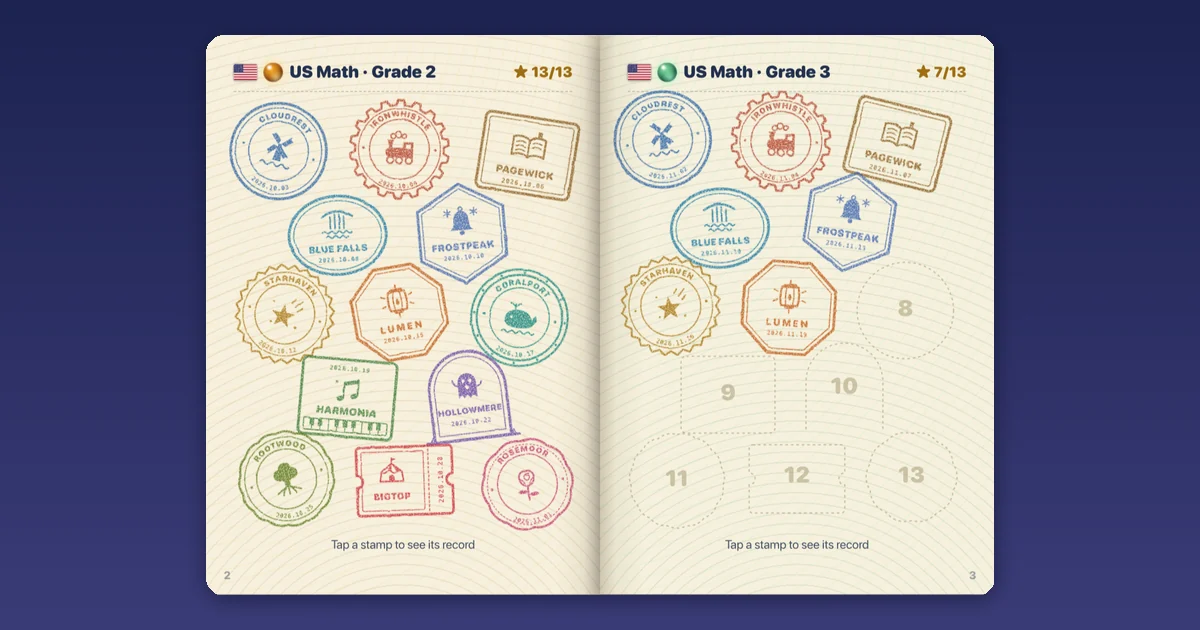 How-to guidesPassport stamps: one for every town you saveEvery town saved in Wonder Town puts a stamp in your Passport, a little book with a page per question bank. How to open it, turn its pages and read each stamp.November 22, 2026 · 6 min read
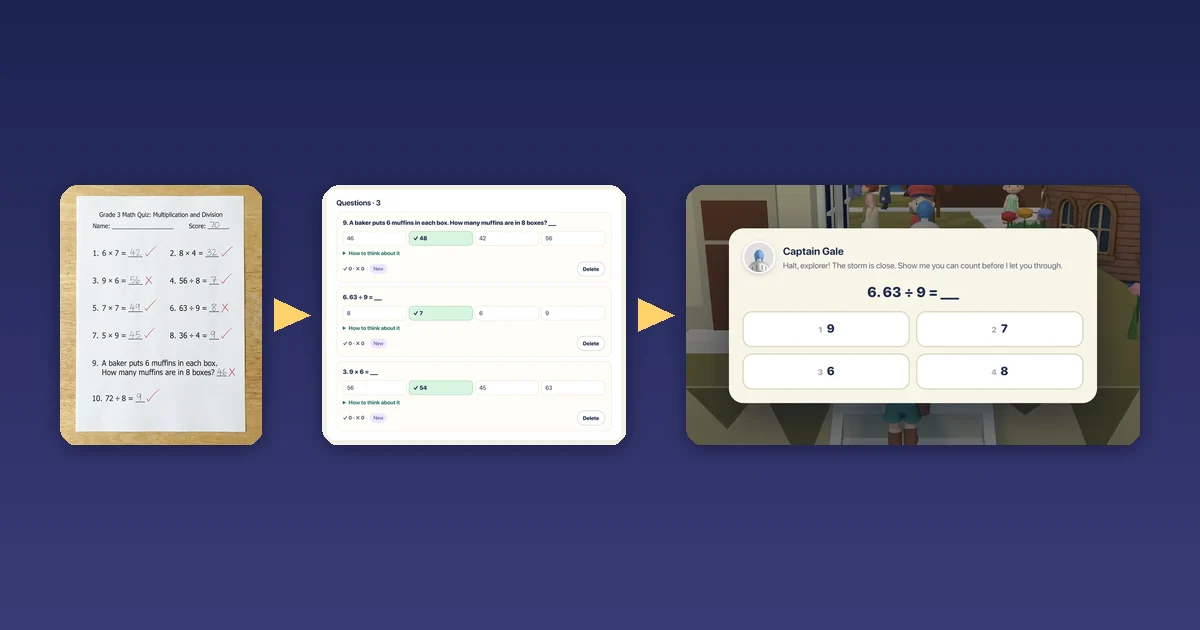 About Wonder TownTurn your child’s worksheets into a math gamePhotograph a marked test or worksheet and the questions your child missed become a math game: villagers in a 3D town ask them again until they stick.November 21, 2026 · 4 min read