
Wonder Town › 3rd grade math games
Math games for 3rd graders, played as an adventure
Third grade is the year of multiplication: the facts up to 9 × 9, division as their partner, then area, fractions and rounding. In Wonder Town those questions come from the villagers of a floating town. The very first town, which needs no account, is all multiplication facts.
First town: no account needed · First 3 towns free · No download
Plays onComputersiPad and tabletsiPhone and Android
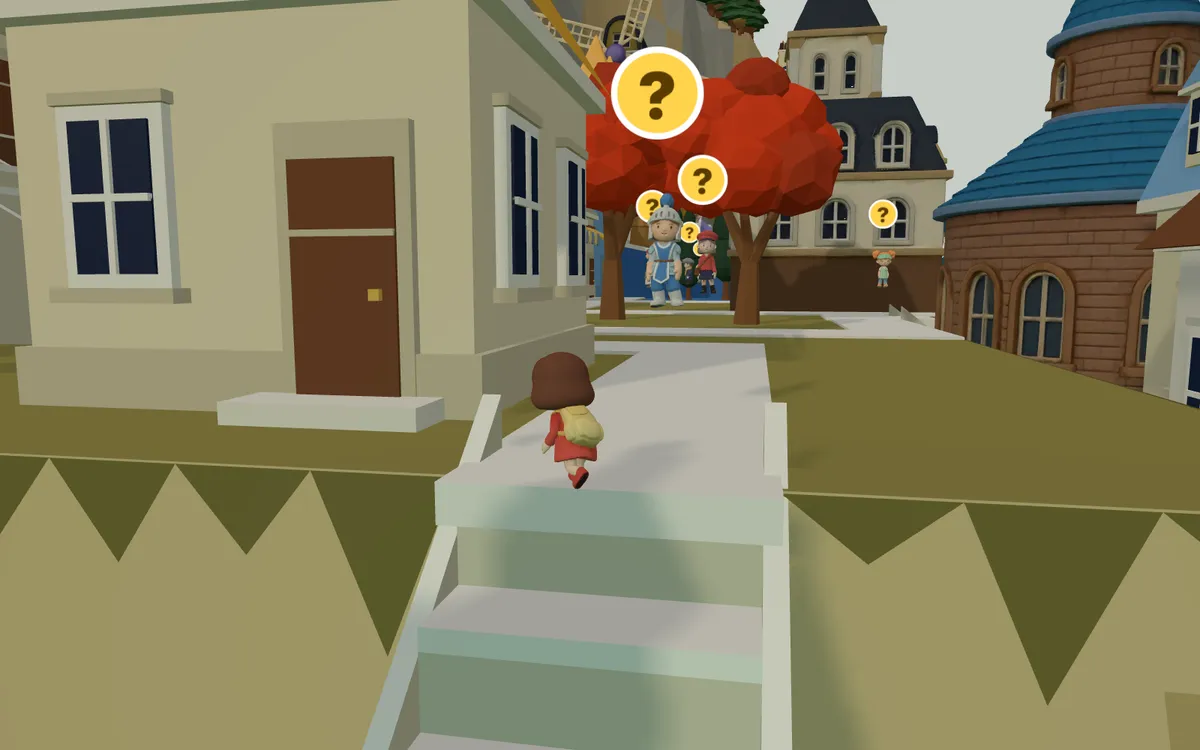
Wonder Town at a glance
- What it is
- A 3D math adventure game for kids in grades 1–5 (ages 6–11)
- Free
- The first 3 towns
- Account
- None needed for the first town; a free account for towns 2 and 3
- Passport
- $19.80 a month: all 13 towns, cancel any time
- Own question banks
- With the Passport, from photos of tests and homework
- Towns
- 13, each with its own story; the last one reviews every topic
- Ads and chat
- None
- Plays on
- Computers, iPad and other tablets, iPhone and Android phones, in the browser; no download
What 3rd graders practise in the game
Multiplication facts
Products up to 9 × 9, explained as equal groups added together.
Division facts
Quotients such as 56 ÷ 7, found by asking which number times 7 makes 56.
Area
The area of a rectangular garden bed from its length and width.
Comparing fractions
Which is larger when two fractions share a denominator, such as 3/8 and 5/8.
Three-digit addition
Sums such as 347 + 286, adding hundreds, tens and ones.
Rounding
Round a two-digit number to the nearest ten.
Town by town
Each of the first twelve towns practises one topic of the 3rd grade question bank, in order, and the thirteenth reviews them all. The first town needs no account, a free account opens the first three, and the Passport opens the rest.
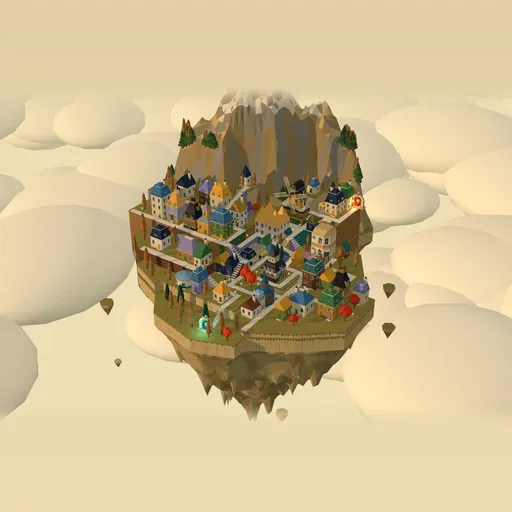 Town 1CloudrestMultiplication factsFree · no account needed
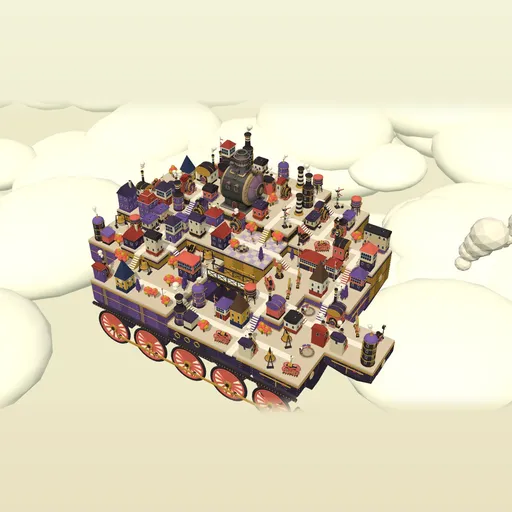 Town 2IronwhistleMultiplication factsFree
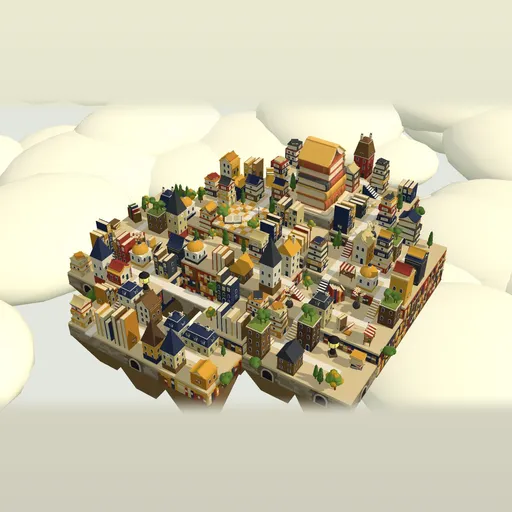 Town 3PagewickDivision factsFree
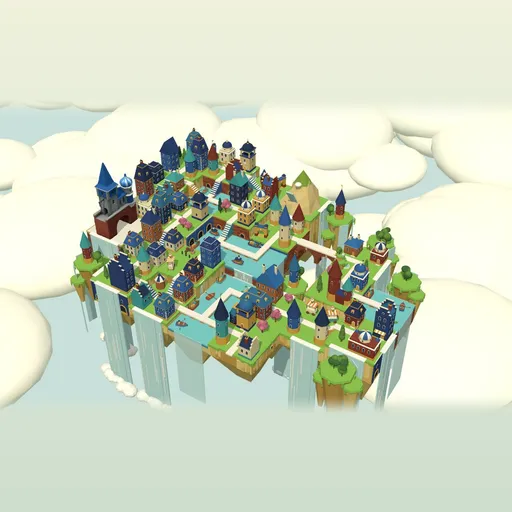 Town 4Blue FallsDivision factsPassport
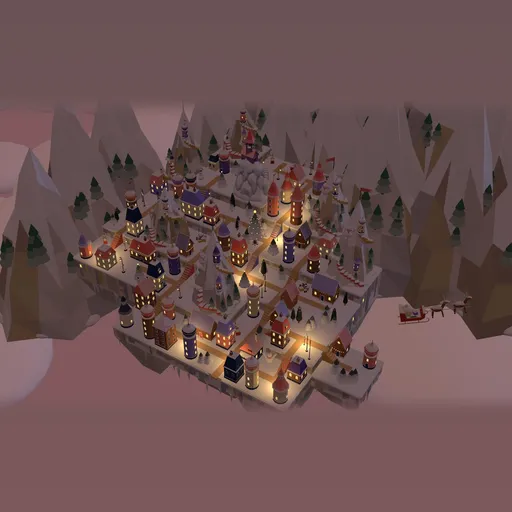 Town 5FrostpeakAreaPassport
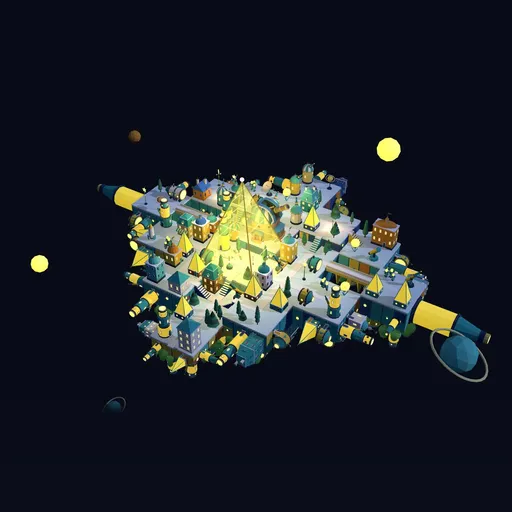 Town 6StarhavenAreaPassport
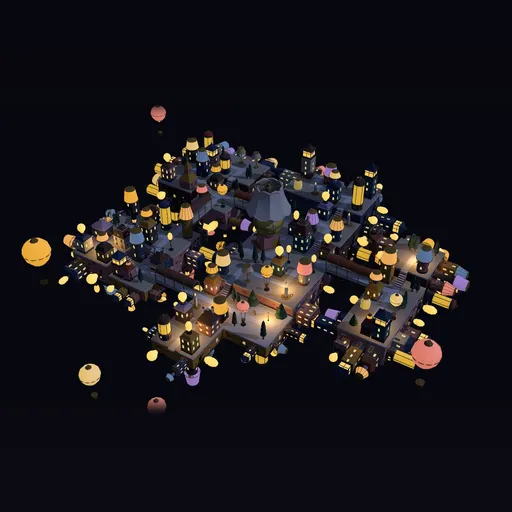 Town 7LumenComparing fractionsPassport
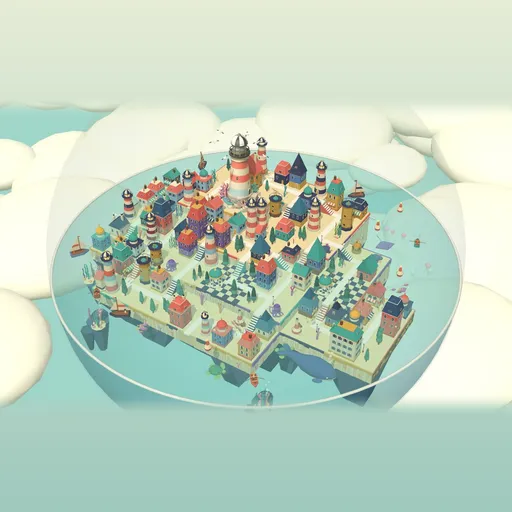 Town 8CoralportComparing fractionsPassport
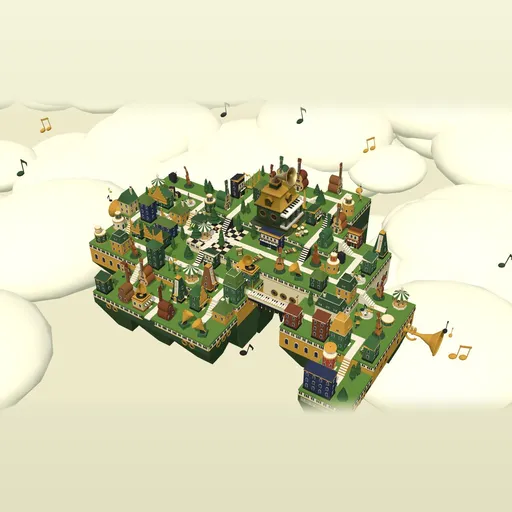 Town 9HarmoniaThree-digit additionPassport
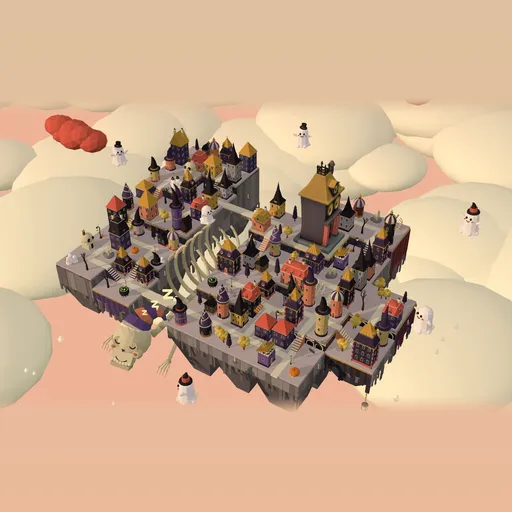 Town 10HollowmereThree-digit additionPassport
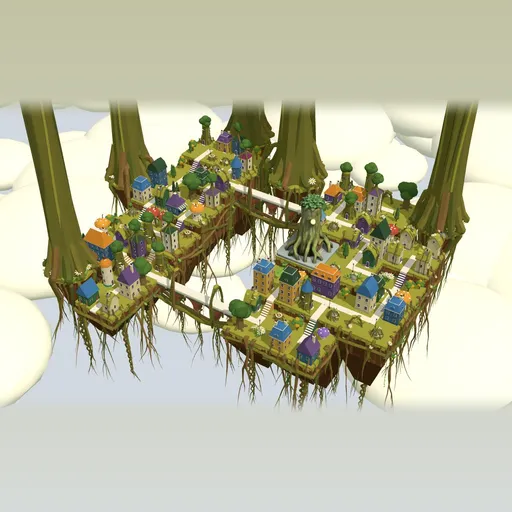 Town 11RootwoodRoundingPassport
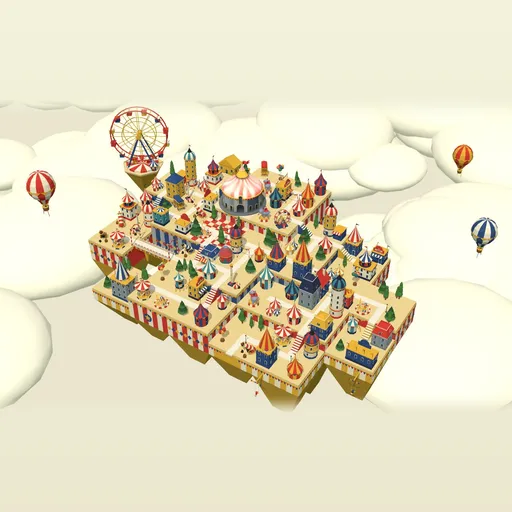 Town 12BigtopRoundingPassport
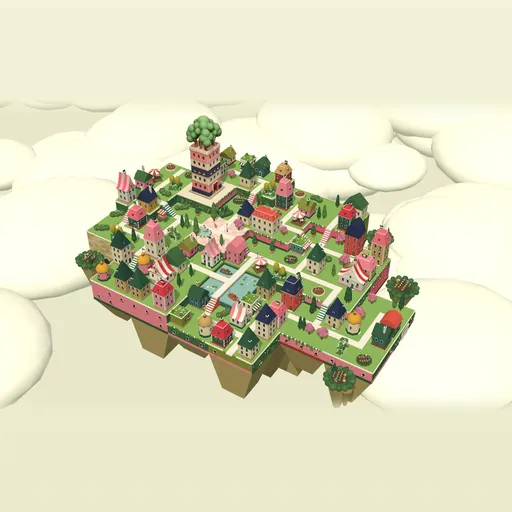 Town 13RosemoorReview of all 6 topicsPassport
Sample questions from the game
These were made by the same generator the game uses, so your child will see questions like them, always with fresh numbers. Every question is multiple choice with four options.
Which is larger: 3/8 or 4/8?
- 4/16
- 1/8
- 4/8
- 3/8
How to think about it: The pieces are the same size (8ths), so more pieces is more: 4 > 3.
198 + 216 = ?
- 414
- 404
- 424
- 514
How to think about it: Add hundreds, tens and ones separately, then put them together: 414.
A garden bed is 4 m long and 3 m wide. What is its area in square metres?
- 12
- 14
- 7
- 16
How to think about it: Area = length × width = 4 × 3 = 12.
27 ÷ 9 = ?
- 2
- 5
- 3
- 4
How to think about it: Ask: what times 9 makes 27? 3 × 9 = 27.
Round 65 to the nearest ten.
- 60
- 70
- 90
- 65
How to think about it: The ones digit is 5, so round up to 70.
5 × 4 = ?
- 26
- 20
- 16
- 25
How to think about it: 5 groups of 4: 4 + 4 + 4 + 4 + 4 = 20.
What a round looks like
Why an adventure helps with 3rd grade math
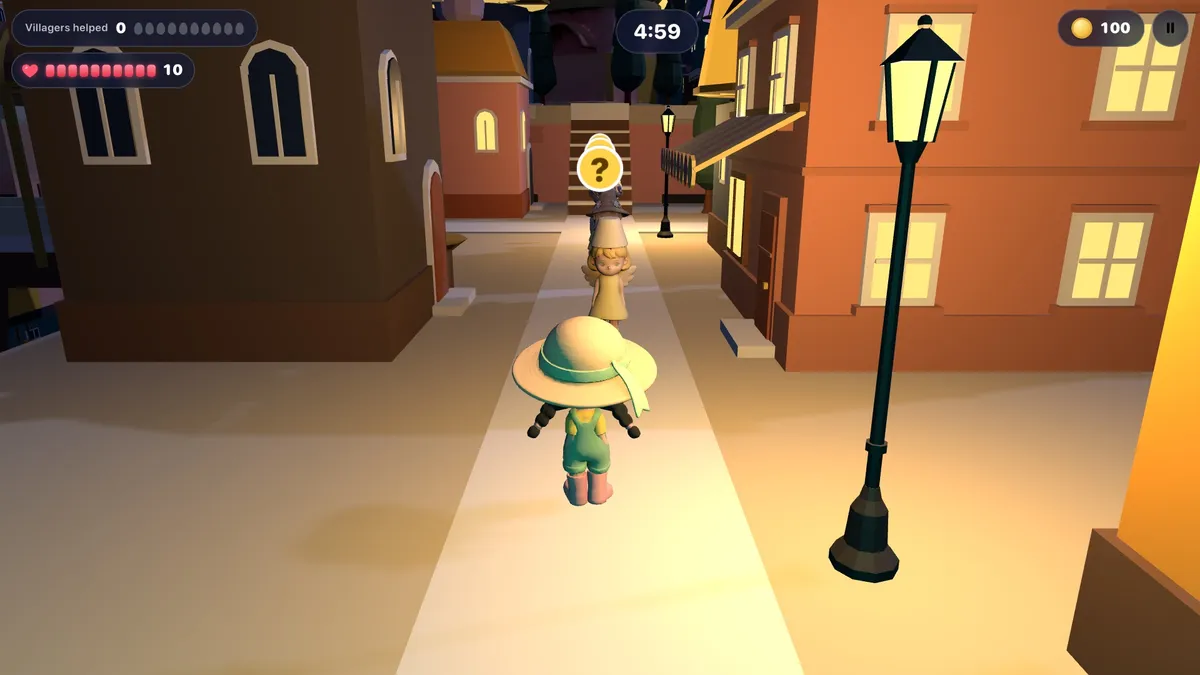
Facts stick through many short bursts of practice. A round is short and puts a question at every villager, so two rounds are a solid session of times tables without a worksheet.
Division facts come right after multiplication, and each explanation links the two: 56 ÷ 7 is “which number times 7 makes 56?”
Area, fractions and rounding each get their own towns, and the last town mixes all six topics, so the facts keep returning after your child has moved on.
Tips for parents
- Fact practice works in short bursts: a round or two a day does more for the times tables than one long session at the weekend.
- Start with your child’s own grade. If a question often takes more than about twenty seconds, play a few rounds of the grade below, then come back.
- With a Passport, photos of your child’s own worksheets and tests become a question bank of their own: an AI reads the questions, and the villagers ask the missed ones again until they are known.
Questions about 3rd grade math games
Will it help my child learn the multiplication facts?
It gives plenty of practice: towns 1 and 2 ask multiplication facts up to 9 × 9 and towns 3 and 4 the matching division facts, with fresh numbers every time. The first of those towns can be played without an account.
What 3rd grade math does the game cover?
The 3rd grade question bank follows the US Common Core: multiplication facts, division facts, area, comparing fractions, three-digit addition and rounding. Each of the first twelve towns practises one topic, in order, and the thirteenth reviews them all.
Is it free?
The first three towns are free. The first town, which practises multiplication facts, plays in the browser without an account, and towns 2 and 3 need a free account. The Passport ($19.80 a month) opens all thirteen towns and question banks of your own, made from photos of your child’s tests.
How long does a round take?
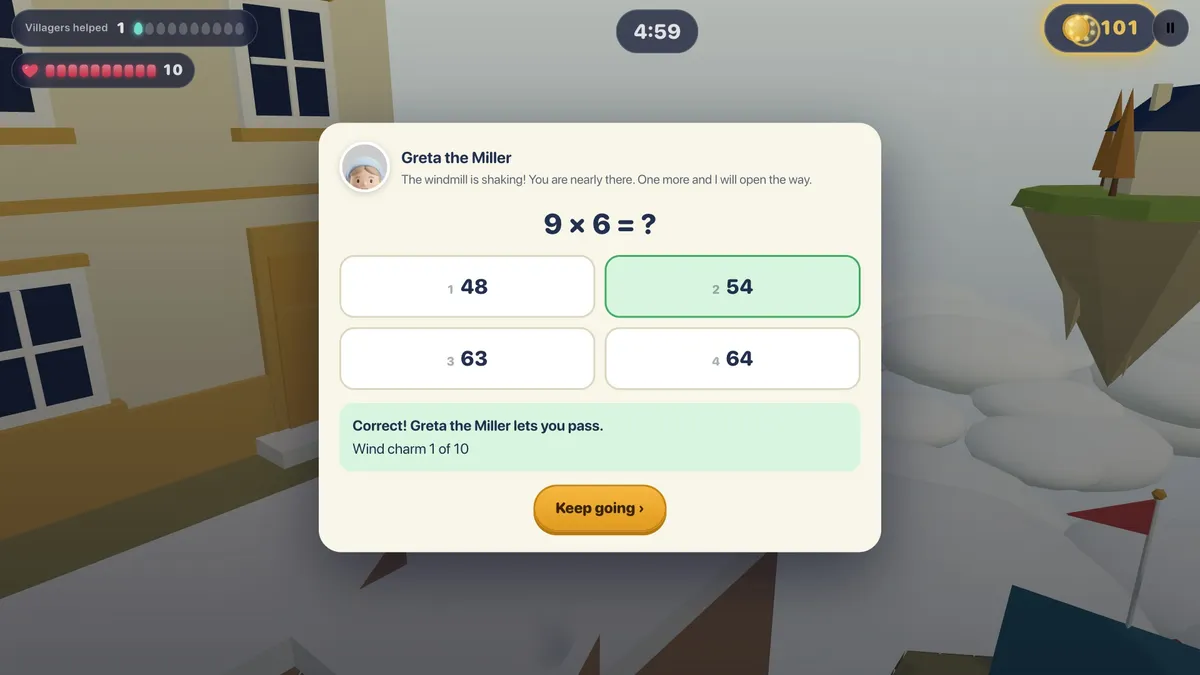
Each town gives five minutes on the clock to reach the gate, and the clock stops while a villager’s question is open, so answers are never rushed. Reach the gate in time and the town is saved; lose all ten hearts or run out of time and you try again. Two or three rounds make a good daily session.
What happens after a wrong answer?
The villager shows how to think about the problem in a sentence or two, then asks a new question of the same kind. A wrong answer also costs one of ten hearts.
Can my child play on an iPad or a phone?
Yes. It runs in the browser on computers, iPad and other tablets, and iPhone and Android phones, with nothing to download. Use W A S D or the arrow keys on a keyboard, or the on-screen joystick on a touch screen. There are no ads and no chat.
Further reading
- Multiplication games: learning the times tables at home
- Turn your child’s worksheets into a math game
- The learning ideas behind Wonder Town